

Severn Trent facility meets stricter phosphorus limits and protects Coventry rivers with ballasted clarification
As phosphorus regulations tighten across the United Kingdom, wastewater utilities are turning to ballasted clarification to protect waterways while managing upgrade costs. At Severn Trent’s Finham Sewage Treatment Works, Xylem’s CoMag™ system, designed to settle floc up to 30 times faster than conventional methods, demonstrates how utilities reliably meet phosphorous targets while protecting rivers and cutting costs.
Phosphorus is an essential nutrient, but when too much phosphorus enters lakes, streams and other waterways, it can trigger algae overgrowth that depletes oxygen and harms aquatic life. Over the last century, global phosphorus releases from land to fresh waters have doubled, according to the UK Centre for Ecology & Hydrology. One of the main causes is treated wastewater discharge. As populations grow and generate more domestic wastewater, utilities must find new ways to keep phosphorus levels within safe limits.
Innovative utilities like Severn Trent are turning to advanced treatment solutions, like ballasted clarification. Ballasted clarification systems, such as Xylem’s CoMag™, reduce phosphorus while requiring less space and lower capital costs for upgrades – to help utilities protect their local ecosystem and stay in compliance while staying within their budget.
Severn Trent scales CoMag™ system at Finham Sewage Treatment Works to protect Coventry rivers
Challenge: Finham Sewage Treatment Works in Coventry, owned and operated by Severn Trent Water, serves approximately 450,000 people and treats 240 megaliters of wastewater each day. Facing some of the strictest phosphorus discharge limits in the UK, the utility needed an effective tertiary treatment solution that could reliably meet compliance targets, fit within the plant’s existing footprint and stay within budget.
Solution: Finham selected Xylem’s CoMag ballasted clarification system – becoming the first wastewater treatment plant in Europe to permanently install the technology. CoMag™ offered the performance, operability and adaptability the utility required, enabling Severn Trent to upgrade treatment while reusing much of its existing infrastructure.
“The CoMag system is performing really well and is guaranteed to hit the super tight phosphorus consent,” said Steve Adcock, Team Manager, Finham & Longbridge Wholesale East Non-Infra Waste. He noted that this capability supports Finham’s Cleanest River Pledge, helping protect local rivers and enhance the environment for surrounding communities.
Results: With successful deployments of CoMag™ at the Finham and Cannock sites, Severn Trent is now installing the system at its Hartshill site with partner MWH Treatment.

"We are always looking for innovative solutions to enhance and improve our wastewater treatment process,” said Lily Harvey, Project Manager, Severn Trent. “We are confident that the CoMag system will play a key role in helping to refine and improve our treatment process at Hartshill, which will in turn lead to a cleaner and healthier natural environment."
A closer look: Solving phosphorus challenges through advanced treatment solutions
What causes phosphorus in local waterways?
Phosphorous enters waterways from multiple sources. One of the most significant is discharge from wastewater treatment plants. Other sources include runoff from agriculture, parks, golf courses and lawns that use phosphorus-rich fertilizers; manure from livestock and wildlife; and poorly maintained septic systems.
How are regulators responding to increased phosphorus levels?
As nutrient pollution continues to impair lakes and streams, regulators are tightening discharge requirements. In England, the Environment Act 2021 requires phosphorus from treated wastewater to be reduced by 80% by 2038, according to the UK Department for Environment, Food & Rural Affairs. As part of this effort, the Water Industry National Environment Programme (WINEP) calls for a 33% reduction in phosphorous inputs to the environment from more than 800 sewage treatment works by 2030.
What solutions are available to reduce phosphorus?
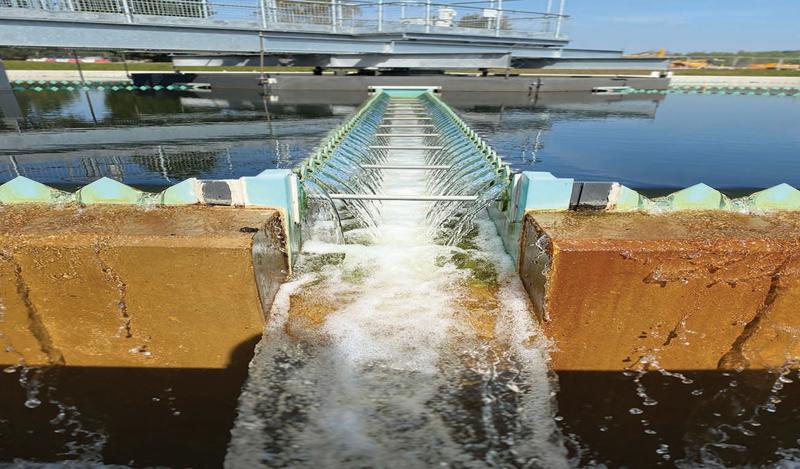
Phosphorus must be converted to a solid form before it can be removed from wastewater. This can be accomplished through chemical, biological or combined approaches. Treatment system designers draw on five technologies: chemical removal, biological removal, ballasted clarification, filtration and phosphorus recovery for use as fertilizer. Depending on plant configuration, projected growth, site limitations and regulatory requirements, an effective solution for meeting lower phosphorus requirements will leverage a combination of these technologies.
-
BioMag® System
Ballasted activated sludge dramatically increases biological treatment capacity and helps meet ENR limits.
-

How can ballasted clarification help utilities reduce phosphorus cost-efficiently?
Ballasted clarification uses a high-density material to adhere and add weight to biological or chemical floc, enabling much faster settling. This increases biological treatment capacity, helping utilities meet stricter nutrient removal limits and produce effluent quality far superior to conventional alternatives, and at lower life-cycle costs.
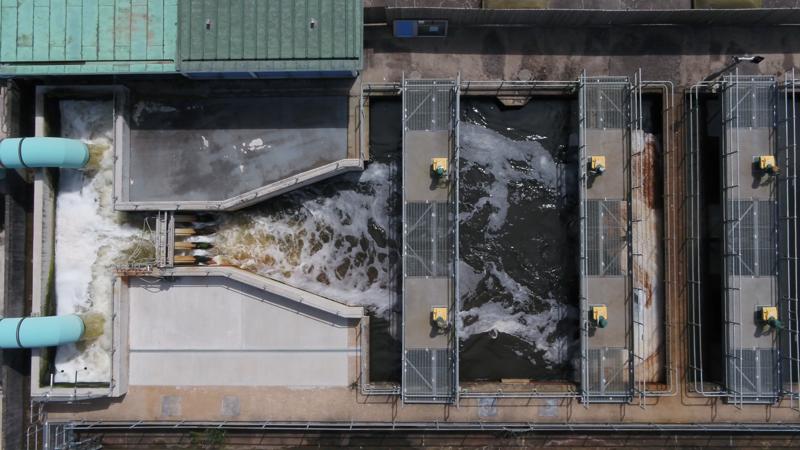
Xylem offers industry-leading ballasted clarification solutions for chemical processes (CoMag™) as well as biological processes (BioMag™). In addition to improving phosphorus removal, these systems reduce capital costs by requiring smaller final settlement tanks compared to traditional approaches, making them a practical, cost-effective option for utilities facing new phosphorus standards.
Building a cleaner future for UK rivers
As regulations tighten and communities demand stronger protection for local ecosystems, utilities are proving that innovation and affordability can go hand in hand. Solutions like CoMag™ are helping plants across the UK not only meet today’s phosphorus limits but also build the capacity to handle tomorrow’s challenges.